Trade History

Pet grooming has always reflected the human bond with animals.

Across centuries, grooming has served health, function, presentation, breed tradition and family care. ACADA exists because the modern profession deserves standards equal to that history.

Ancient Egypt

Health and symbolism

Early grooming joined care, cleanliness and cultural meaning.

Some of the earliest visual evidence of well-kept dogs appears in ancient Egyptian paintings and carved scenes. Grooming helped keep coats clean, reduced parasites and also reflected the social and religious importance dogs held in the culture.
Ancient dog grooming reference, Egyptian art or grooming tools
Greece and Rome

Working dogs

Care followed the work animals were expected to do.

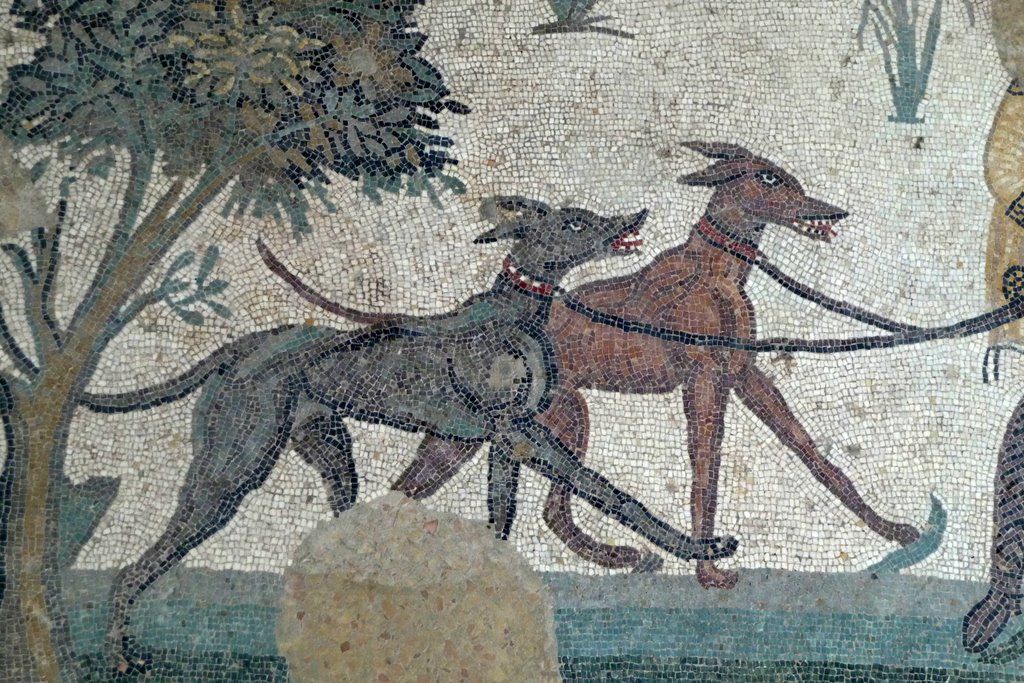
In Greek and Roman society, dogs were used for hunting, guarding, companionship and war. Grooming served practical needs: removing debris, preserving coat condition and keeping working animals fit for the tasks people asked of them.

Middle Ages

Estate care

Grooming became part of household and kennel management.

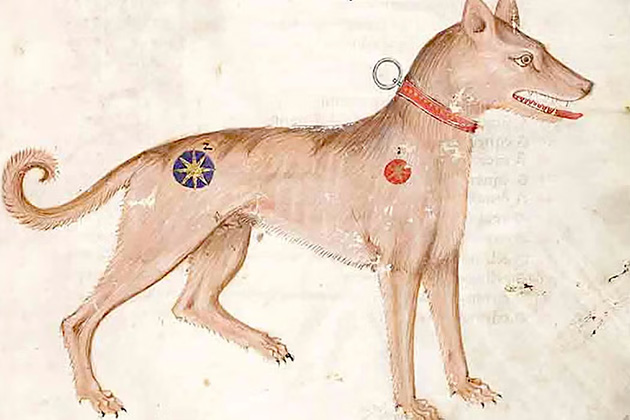
Wealthy households and large estates kept dogs for hunting, guarding and status. Animal care was often assigned to household staff, and grooming was part of maintaining the animals relied upon by the household.

1500s-1600s

Function becomes form

Coat work became more deliberate for sporting and water dogs.

In early modern Europe, grooming practices became more structured for working breeds. Coat maintenance could improve movement, reduce matting and help dogs perform in water, field and hunting environments.

Historic working dog coat care or sporting dog grooming
1700s

Aristocratic style

Breed presentation and cosmetic grooming became visible markers of refinement.

By the eighteenth century, European nobility helped turn grooming into a visible expression of taste, money and social position. Poodles and other groomed breeds carried patterns and finishes that signaled their owners' status as much as the animals' care.

1800s

Tools and access

Industrial tools helped grooming reach more households.

The nineteenth century brought new manufacturing, urban pet keeping and wider access to grooming tools. Written guidance about bathing, brushing and breed care became more common, connecting grooming to both appearance and animal health.

Early 1900s

Breed standards

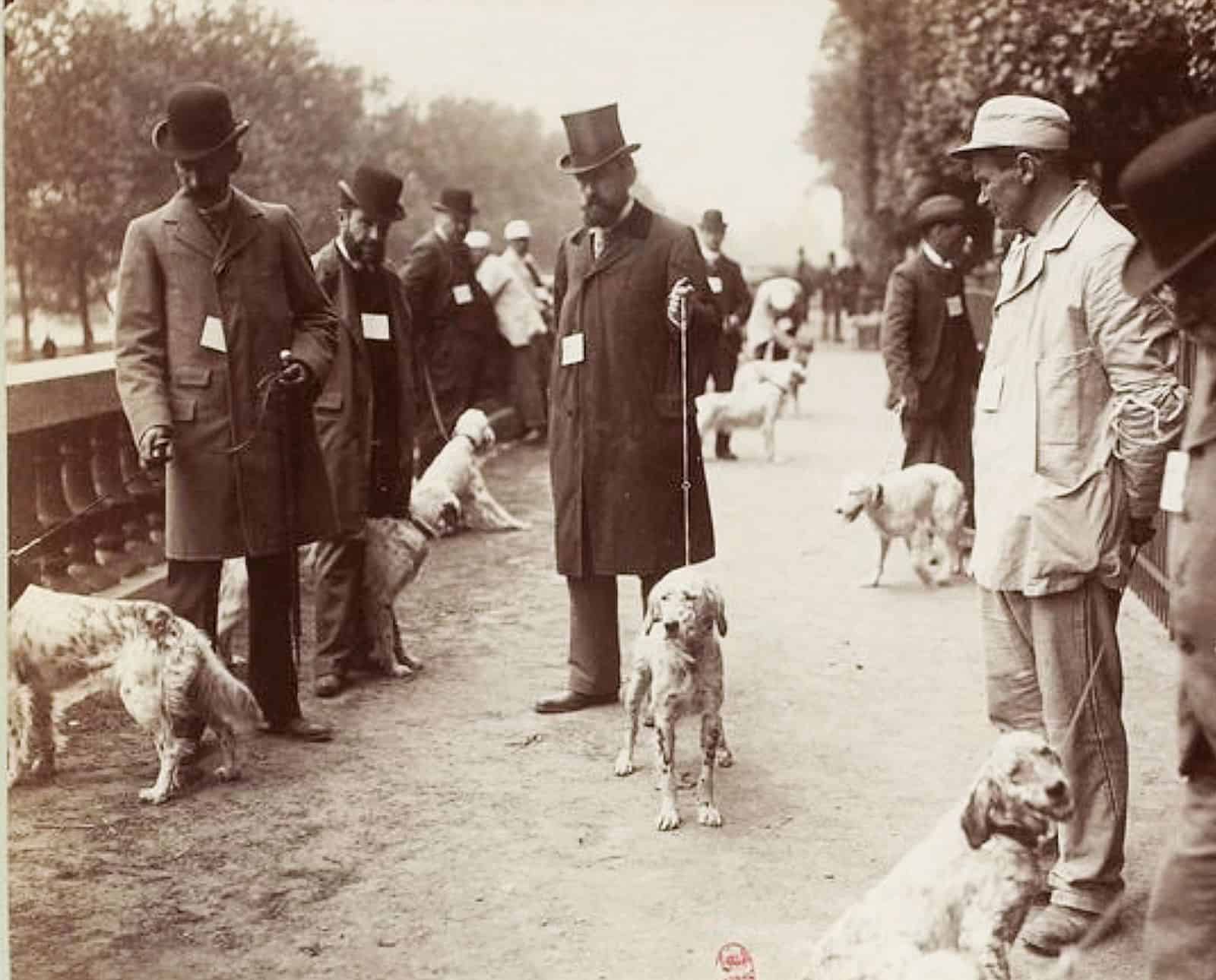
Dog shows helped formalize the look of professional grooming.

As dog shows grew, grooming became more closely tied to breed identity and presentation. Techniques such as terrier stripping, coat shaping and breed-specific finishing developed into recognizable professional skills.

Historic dog show grooming or breed presentation
1960s-1970s

The American trade organizes

Schools, associations and trade events gave grooming a professional shape.

Professional pet grooming became a more recognizable American trade in the 1960s as vocational grooming schools opened. Trade groups and major grooming events followed, giving groomers more places to learn, compete, teach and define their craft.

Late 1980s-1990s

A household service

Grooming became part of ordinary pet care for more families.

As pets became more central to household life, grooming expanded beyond show preparation and occasional luxury. More families began treating grooming as recurring care, creating room for salons, mobile grooming, franchises, schools and specialized services to grow.

Today

The next chapter

ACADA brings standards, curriculum guidance and verification to a mature profession.

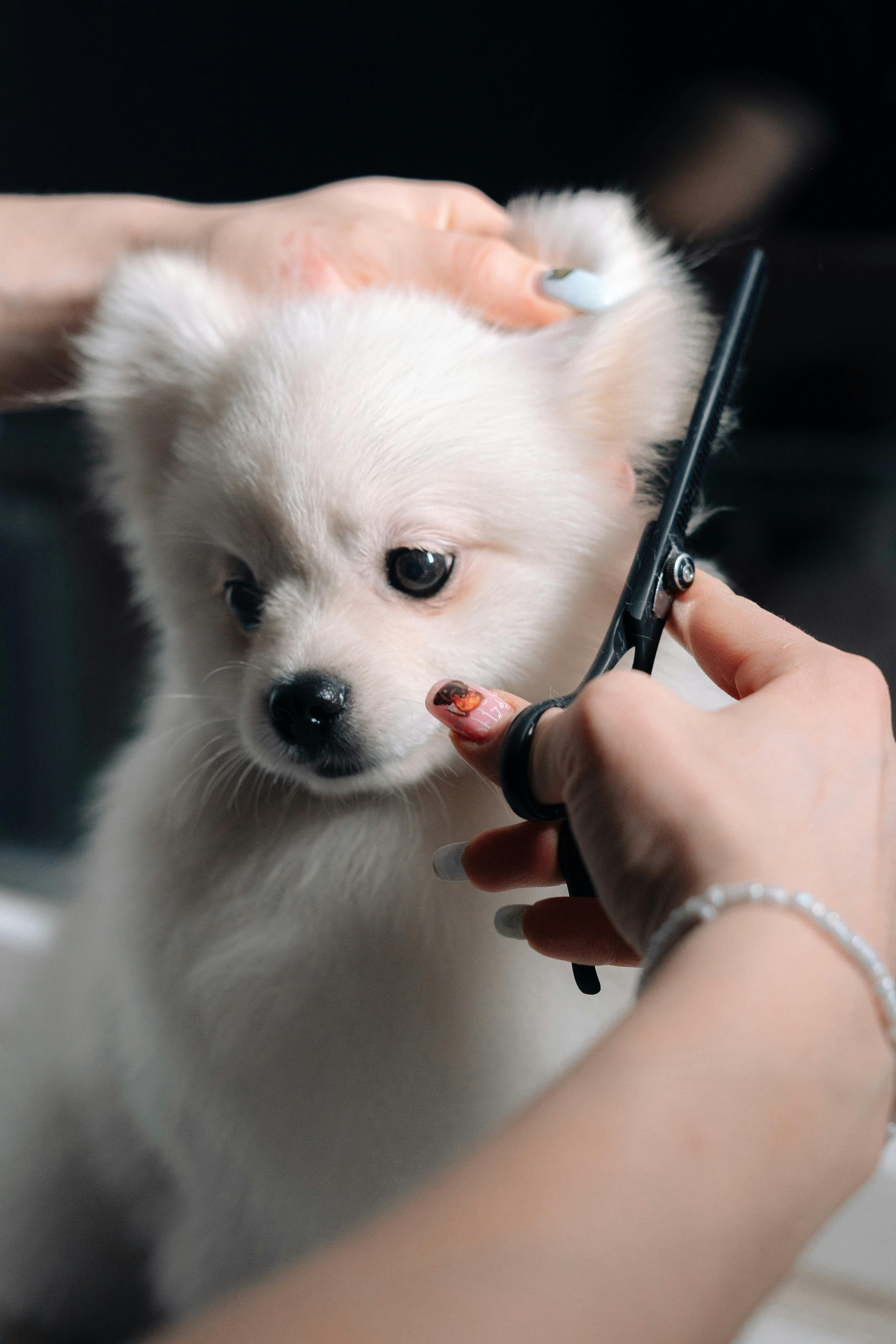
Modern grooming blends animal handling, sanitation, skin and coat knowledge, business practice, client communication, documentation and risk reduction. ACADA exists to make that knowledge more accessible, more organized and easier to verify.

Modern professional grooming education or salon training

Why ACADA now

History brought grooming here. Education can help carry it forward.

Grooming has always been practical, cultural and personal. The modern industry adds scale, client expectations, legal exposure, mobile operations, documentation and public trust.

ACADA gives the profession a shared educational structure without taking away the judgment, artistry and experience of skilled groomers.